Introduction
Wood windows have been used in homes for centuries, and even in today’s modern architecture, they continue to hold strong appeal. Homeowners often choose them for their natural beauty, insulation properties, and timeless design flexibility. Unlike synthetic materials, wood brings a warm, organic feel that blends well with both traditional and contemporary home styles.
However, choosing the right type of window is not just about appearance. It also involves understanding performance, durability, energy efficiency, and long-term maintenance. Wood windows are often compared with vinyl, aluminum, and fiberglass options, each offering different advantages depending on climate and budget.
What Are Wood Windows? Materials, Design, and Core Features
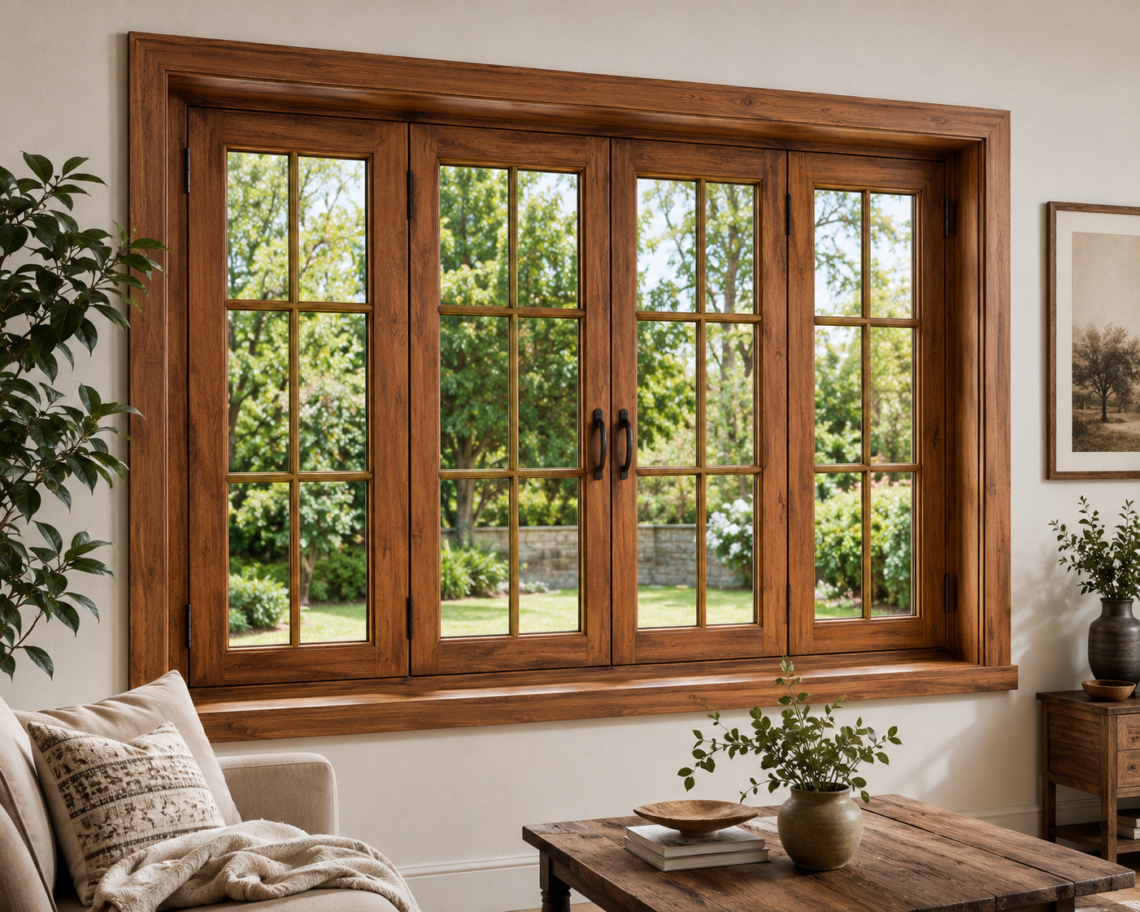
Wood windows are window units where the frame and sash are primarily constructed from natural timber. Common types of wood used include pine, oak, mahogany, and cedar, each offering different levels of strength, grain pattern, and resistance to environmental conditions. These windows are often appreciated for their ability to be customized in shape, size, and finish, making them a preferred option in both luxury homes and restoration projects.
Beyond aesthetics, wood windows are also known for their natural insulating properties. Wood is a poor conductor of heat, which helps improve indoor energy efficiency when properly sealed and maintained. Many modern manufacturers enhance this performance by combining wood interiors with protective exterior cladding such as aluminum or fiberglass to reduce weather damage.
According to the U.S. Department of Energy, well-designed and properly installed windows can significantly reduce energy loss in homes, especially when paired with energy-efficient glazing systems. You can read more about energy-efficient window guidelines on the official Energy Saver resource: .
Wood windows typically include several key components such as the frame, sash, glazing (glass panes), and weatherstripping. Each of these parts plays a role in insulation, durability, and overall performance. High-quality wood windows are often treated with protective finishes to resist moisture, insects, and UV damage, which helps extend their lifespan when properly maintained.
Benefits of Choosing Wood Windows for Homes
One of the biggest advantages of wood windows is their natural insulation capability. Wood is an effective thermal insulator, which means it helps keep indoor temperatures stable—cooler in summer and warmer in winter. This can contribute to improved energy efficiency in homes, especially when combined with modern double or triple glazing systems. For homeowners in regions with extreme weather conditions, this can translate into noticeable comfort and potential energy savings over time.
Another major benefit is the aesthetic flexibility wood provides. Unlike many synthetic materials, wood can be shaped, stained, or painted in a wide range of finishes. This makes it easier to match different architectural styles, from rustic cottages to modern minimalist homes. Many architects also prefer wood windows for high-end projects because they create a premium, natural look that enhances interior and exterior design value.
Wood windows also offer strong customization potential. They can be crafted into unique shapes, including arches and bay windows, which are harder to achieve with vinyl or aluminum. Additionally, they are often repairable—damaged sections can be fixed or refinished rather than fully replaced, which adds long-term value for homeowners who prioritize sustainability and restoration-friendly materials.
Drawbacks and Maintenance Considerations
While wood windows offer strong aesthetic and insulation benefits, they also come with certain challenges that homeowners should understand before making a decision. The most important factor is maintenance. Unlike vinyl or fiberglass, wood is a natural material that reacts to moisture, sunlight, and temperature changes. Without proper care, it can warp, crack, or rot over time, especially in humid or rainy climates.
Regular maintenance is essential to keep wood windows in good condition. This typically includes repainting or resealing every few years, checking for signs of moisture damage, and ensuring that protective coatings remain intact. If neglected, even high-quality wood frames can deteriorate faster than expected. This ongoing upkeep can make wood windows more time-consuming compared to low-maintenance alternatives.
Another drawback is cost. Wood windows are generally more expensive than vinyl or standard aluminum options, both in terms of initial purchase and long-term maintenance. The higher price is usually justified by their appearance and performance, but it may not fit every homeowner’s budget. Additionally, installation quality plays a major role—poor installation can reduce energy efficiency and increase maintenance issues later on.
Wood Windows vs Other Window Materials
When comparing wood windows with other popular materials like vinyl, aluminum, and fiberglass, the differences become quite clear in terms of performance, appearance, and long-term value. Wood stands out mainly for its natural look and strong insulation properties, while other materials tend to focus more on affordability and low maintenance.
Vinyl windows are often the most budget-friendly option. They require very little maintenance and do not rot or corrode, making them popular for cost-conscious homeowners. However, they usually lack the premium appearance and customization flexibility that wood provides. Over time, vinyl can also become brittle in extreme temperatures, which may affect durability in certain climates.
Aluminum windows are known for their strength and slim profiles, making them a common choice in modern and commercial buildings. They are highly durable but conduct heat more easily, which can reduce energy efficiency unless thermal breaks are added. Fiberglass, on the other hand, offers a balanced alternative with good durability and energy performance, but it still does not fully match the natural appeal of wood.
For homeowners who prioritize aesthetics and traditional craftsmanship, wood windows remain a strong contender. However, those seeking minimal upkeep may prefer vinyl or fiberglass alternatives depending on their budget and climate conditions.
Conclusion
Wood windows remain one of the most timeless choices in home design because they balance natural beauty with strong insulation performance. Their ability to enhance architectural character makes them especially valuable in custom homes, renovations, and traditional-style properties. At the same time, they require ongoing care, which is an important factor for homeowners to consider before investing.
Overall, wood windows are best suited for those who prioritize aesthetics, customization, and long-term design value over low maintenance. While alternatives like vinyl and aluminum may offer convenience and affordability, wood continues to stand out for its warmth, craftsmanship, and premium feel.
FAQs
1. Are wood windows energy efficient?
Yes, wood is a natural insulator, and when combined with modern glazing, it can improve a home’s energy efficiency.
2. How long do wood windows last?
With proper maintenance, wood windows can last 20–50 years or even longer.
3. Do wood windows require a lot of maintenance?
They require regular painting or sealing every few years to prevent moisture damage and ensure durability.
4. Are wood windows better than vinyl?
Wood offers better aesthetics and insulation, while vinyl is more affordable and low maintenance. The choice depends on priorities.
Read About More: Small Kitchen Design